
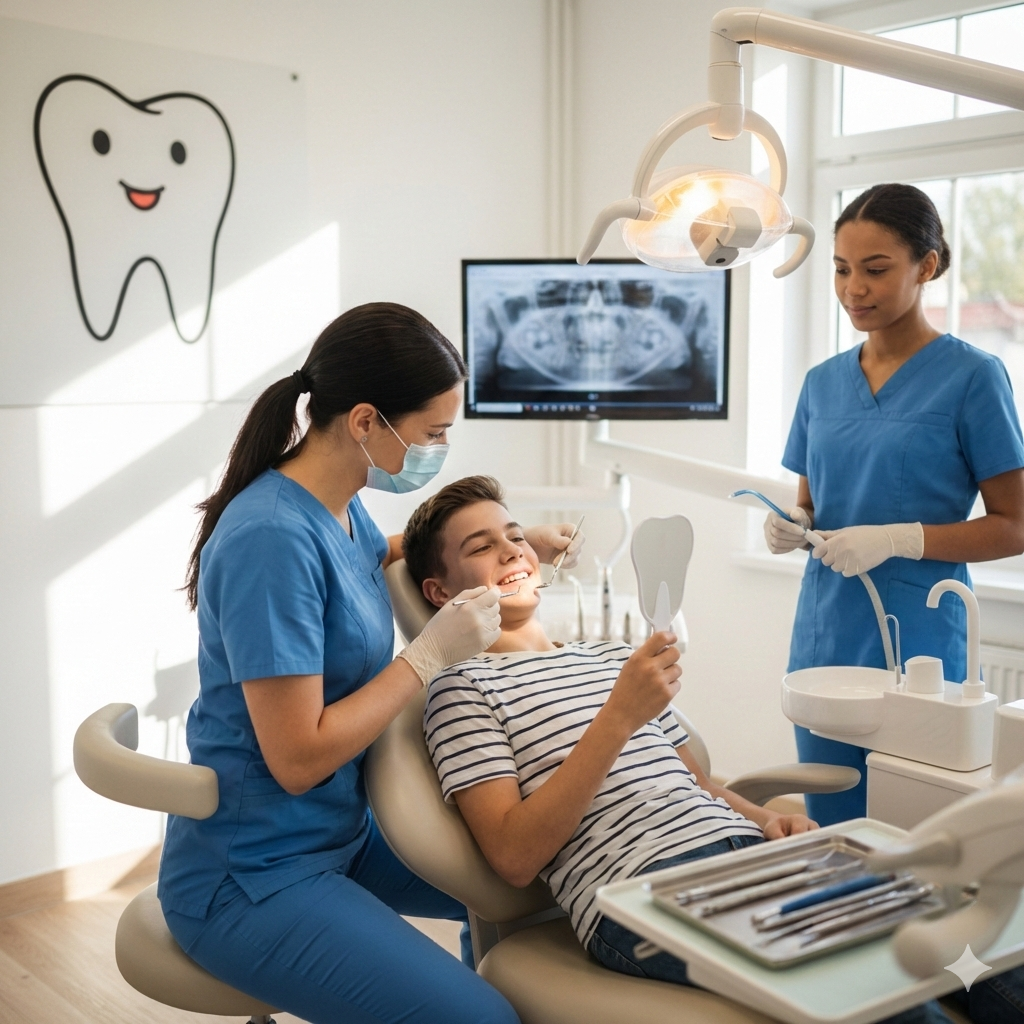
Many people wonder how to brighten their smile safely and effectively. Teeth whitening options vary widely, ranging from at-home kits to professional treatments at the dentist’s office. The best choice depends on factors like the level of whitening desired, sensitivity, and budget.
Over-the-counter products provide convenience, but professional whitening offers stronger results with expert oversight. Some prefer whitening toothpaste or strips for subtle changes, while others may seek in-office procedures for faster, noticeable improvements.
Understanding these choices helps patients pick a method that fits their lifestyle and comfort. If any questions or concerns come up, it’s always a good idea to consult a dental professional to explore the safest and most effective option.
Understanding Teeth Whitening Options
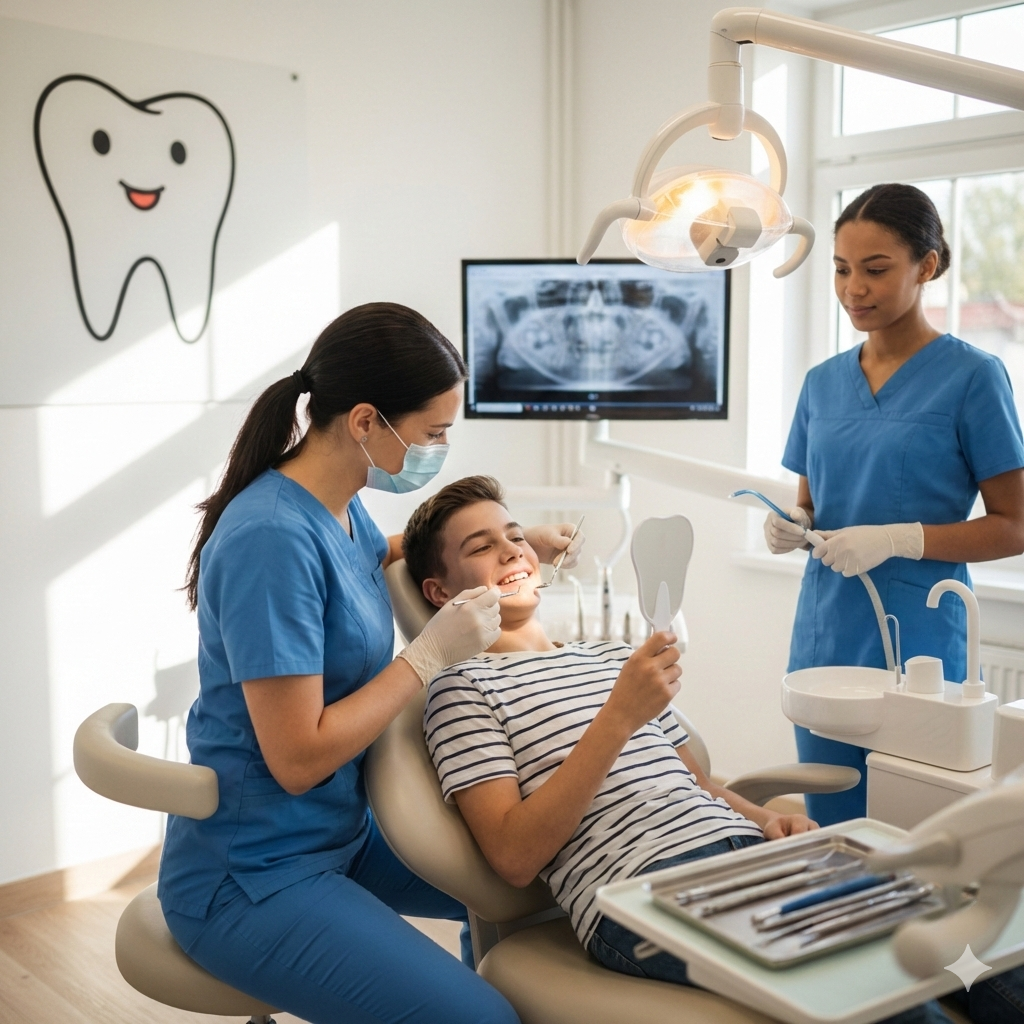
Different teeth whitening methods work in unique ways and suit various needs. Individual factors influence how effective treatments can be, and not everyone experiences the same results. Knowing these details can help make the best choice for a brighter smile.
How Teeth Whitening Works
Teeth whitening typically relies on bleaching agents like hydrogen peroxide or carbamide peroxide. These chemicals break down stains deep within the tooth enamel and dentin, lightening discoloration caused by food, drink, or aging.
There are two main types: in-office treatments and at-home kits. In-office whitening uses stronger bleaching gels and specialized lights to speed up the process, often producing results in one visit. At-home options are gentler and take longer but offer convenience and gradual improvement.
It’s important to note that whitening only affects natural tooth enamel. It does not whiten crowns, veneers, or fillings. Sensitivity may increase temporarily during treatment, but it usually resolves quickly.
Who Can Benefit from Teeth Whitening
Teeth whitening is suited for people with stained or discolored teeth due to lifestyle habits like coffee, tea, or smoking. Those with yellowish or dull teeth often see the most noticeable improvement.
However, whitening isn’t recommended for children under 16, pregnant or breastfeeding women, or people with severe dental issues like cavities, gum disease, or exposed roots. A dental exam before whitening helps identify if the treatment is safe and worthwhile.
People with intrinsic stains from medication or trauma might not see significant changes with standard whitening. For these cases, professional advice and alternative treatments are best.
Factors That Affect Whitening Results
Several factors impact how well whitening works and how long results last. These include:
- Initial tooth color: Darker stains may require multiple sessions.
- Type of stain: Surface stains respond better than deep, intrinsic discolorations.
- Treatment method: In-office procedures generally yield faster and more dramatic results than over-the-counter products.
- Oral hygiene: Good brushing and flossing help maintain whitening effects.
- Lifestyle habits: Regular consumption of staining foods and drinks can reduce whitening longevity.
Some people may experience uneven whitening due to differences in enamel thickness or existing dental restorations. Discussing these variables with a dentist can set realistic expectations and guide treatment decisions.
In-Office Professional Treatments
Professional teeth whitening done in a dental office uses stronger agents and controlled techniques. These treatments are designed to deliver fast, noticeable results while ensuring your safety and comfort.
Chairside Whitening Procedures
Chairside whitening is a direct treatment performed by a dental professional in one or two visits. It involves applying a high-concentration bleaching gel—usually containing hydrogen peroxide—directly to the teeth.
A protective barrier is placed on the gums to prevent irritation. Sometimes, a special light or laser is used to enhance the bleaching process and speed up whitening.
This method can whiten teeth by several shades in about an hour, making it ideal for patients wanting quick improvements for events or regular care.
Benefits of Professional Whitening
One key benefit is the immediate and dramatic improvement in tooth color. Unlike over-the-counter products, chairside treatments provide uniform results backed by clinical expertise.
The strength of the whitening agents means deeper stains from coffee, tobacco, or aging can be effectively reduced. Additionally, dentists can tailor the treatment to the patient’s smile and sensitivity levels.
This personalized approach often results in longer-lasting whiteness and fewer side effects such as irritation or tooth sensitivity.
Safety and Supervision by Your Dentist
In-office whitening includes close monitoring by dental professionals, reducing risks linked with improper use of bleaching agents. The dentist ensures gum tissue and enamel remain protected throughout the procedure.
Patients with sensitive teeth or dental restorations can receive customized care to minimize discomfort. Follow-up advice from the dentist also supports better maintenance of whitening results.
This supervision helps prevent common issues, like uneven color changes or damage to the mouth’s soft tissues, that can arise from DIY whitening methods.
Take-Home Whitening Kits from Your Dentist
Take-home whitening kits from a dentist provide a safe and effective way to brighten your smile on your own schedule. These kits blend professional-grade whitening agents with custom-fit trays for targeted treatment at home.
Customized Whitening Trays
Dentists create custom trays using molds of the patient’s teeth. These trays fit snugly and hold the whitening gel evenly against the teeth. Compared to over-the-counter options, custom trays reduce gum irritation by preventing excess gel from touching soft tissues.
The precise fit also ensures better contact with tooth surfaces, which improves whitening results. Patients usually receive instructions on how long to wear the trays—commonly between 30 minutes and a few hours daily, depending on the product strength and sensitivity levels.
Instructions for Safe Use
Following the dentist’s guidelines is key to avoiding discomfort or damage. Trays should be worn for the recommended time only. Overuse can lead to tooth sensitivity or gum irritation.
The whitening gel is applied inside the trays in small amounts—usually a thin line along the front teeth. It’s important to avoid swallowing the gel and to clean trays properly after each use. Patients should also avoid eating or drinking coloring substances during treatment to maintain whitening effects.
Expected Results and Timeline
Most patients see noticeable whitening within one to two weeks. Results vary based on original tooth color, staining type, and adherence to the treatment plan.
The full course typically lasts 10 to 14 days. Some may need touch-up treatments later, which dentists can provide. Gentle whitening reduces the risk of sensitivity, offering a comfortable experience with gradual, lasting improvement.
Over-the-Counter Whitening Products
Many people look for convenient and affordable ways to brighten their smiles at home. Over-the-counter whitening products offer a variety of options that fit different needs and lifestyles, with varying levels of effectiveness and ease of use.
Whitening Strips
Whitening strips are thin, flexible plastic strips coated with a peroxide-based gel. They are designed to be applied directly onto the teeth and worn for 30 minutes to an hour daily, usually over one to two weeks. These strips gradually lift surface stains and can lighten teeth by one to two shades.
Results from whitening strips are noticeable but tend to be less dramatic than professional treatments. They work best on natural teeth and may not be as effective on restorations like crowns or veneers. Some users may experience mild tooth sensitivity or gum irritation, but these side effects typically subside quickly after stopping use.
Whitening Toothpastes
Whitening toothpastes contain mild abrasives and low concentrations of chemical agents or enzymes. Their main role is to gently polish away surface stains from foods, drinks, and smoking. Unlike strips or gels, they do not usually change the natural color of teeth but help maintain existing whiteness.
These toothpastes are a good option for daily maintenance and gradual improvement with regular brushing. Users should expect results after several weeks, and they can help prevent new stains from forming. Toothpastes with whitening claims should still be used cautiously to prevent enamel wear from overuse.
Gels and Whitening Pens
Whitening gels and pens are concentrated peroxide-based products applied directly to tooth surfaces. Gels typically come with a small brush or applicator and are worn for 10 to 30 minutes, often daily for one to two weeks. Pens offer a more targeted approach, ideal for spot treatment or on-the-go touch-ups.
These products allow for easy control over application and can fit busy schedules. They offer moderate whitening results with less chance of gum contact compared to strips. However, they might not cover large areas evenly, requiring careful application to avoid uneven color. Mild sensitivity may occur but is usually temporary.
Natural and At-Home Remedies
Many people look for simple and affordable ways to brighten their smile without a trip to the dentist. Some common techniques involve household ingredients and daily habits that can support tooth whitening over time.
Baking Soda and Hydrogen Peroxide
Baking soda is a mild abrasive that can help scrub away surface stains on teeth. When combined with small amounts of hydrogen peroxide, it forms a paste that can gently whiten teeth by breaking down stain molecules.
A typical homemade paste uses about one teaspoon of baking soda mixed with two teaspoons of hydrogen peroxide. This should be used sparingly—no more than twice a week—to avoid enamel damage or gum irritation. Patients with sensitive teeth should consult a dentist before trying this method.
While this combo can reduce yellowing caused by foods and drinks, it won’t change the natural color of teeth or remove deep stains from inside the tooth.
Oil Pulling with Coconut Oil
Oil pulling involves swishing a tablespoon of coconut oil in the mouth for 10-15 minutes daily. This practice is believed to reduce bacteria and plaque, which can help keep teeth brighter and breath fresher.
Coconut oil has anti-inflammatory and antimicrobial properties, but its direct effect on tooth whitening is limited. Some users report a slight whitening effect after weeks of consistent oil pulling, mainly due to improved oral hygiene.
It’s important to note that oil pulling should not replace brushing or flossing. It can be a gentle addition but doesn’t replace professional care or effective whitening treatments.
Effectiveness of Home Remedies
Home remedies offer mild results mostly for removing surface stains. They are safer and more budget-friendly but usually take longer to show effects compared to professional treatments.
Limitations include inconsistent results and the risk of enamel abrasion with overuse. These methods are best for maintenance rather than dramatic whitening.
For noticeable and lasting changes, consulting a dental professional remains the most reliable option. Patients should weigh convenience against treatment goals and consider combining home care with professional advice.
How to Achieve the Best Results
Achieving a bright, white smile takes more than just picking a whitening product. It involves understanding what results to expect, maintaining good habits, and knowing which foods and behaviors to avoid. This approach helps keep teeth looking their best for longer.
Managing Expectations
Teeth whitening can lighten natural tooth color by several shades, but it won’t change stains caused by dental restorations like crowns or fillings. Results vary depending on the starting shade of teeth and the method used. Over-the-counter products may take longer for noticeable effects compared to professional treatments.
Some people experience mild sensitivity during or after whitening. This is normal and usually temporary. It’s important to follow product directions carefully and consult a dentist if sensitivity persists or worsens. Realistic expectations can help ensure satisfaction with the whitening process.
Tips for Long-Lasting Whiteness
To keep teeth white longer, daily habits are key. Brushing twice a day with a fluoride toothpaste and flossing are essential to remove plaque and surface stains. Using a whitening toothpaste once or twice weekly can help maintain brightness but avoid overuse to prevent sensitivity.
Scheduling regular dental cleanings keeps teeth smooth and stain-free. Drinking water after meals reduces residue and acids that dull enamel. Additionally, avoiding tobacco products preserves whiteness and supports overall oral health.
Foods and Habits to Avoid
Certain foods and drinks are more likely to cause staining. Coffee, tea, red wine, and dark berries can leave noticeable marks on teeth over time. Using a straw for beverages like soda or iced tea helps minimize contact with teeth.
Smoking or chewing tobacco not only stains teeth but also contributes to gum disease and other oral health issues. Acidic foods, like citrus fruits and vinegar, can wear down enamel, making teeth more prone to staining. Limiting these and rinsing with water after consuming them supports a brighter smile.
Are Teeth Whitening Options Safe?
Teeth whitening treatments are generally safe when used correctly, but some risks may affect dental comfort and health. Understanding tooth sensitivity, taking proper precautions, and knowing when to seek professional advice helps maintain a healthy smile throughout the process.
Understanding Tooth Sensitivity
Tooth sensitivity is a common side effect of whitening, especially with stronger bleaching agents. It can cause sharp discomfort or mild soreness when teeth come into contact with hot, cold, or sweet substances. This happens because the bleaching products temporarily open microscopic pores in the enamel, exposing the dentin or nerves underneath.
Most sensitivity is mild and short-lived, often easing within a few days after treatment ends. Using toothpaste formulated for sensitive teeth and avoiding overly aggressive whitening schedules can help reduce discomfort. In some cases, sensitivity lasts longer, which requires a re-evaluation of the whitening method or product strength.
Precautions for Dental Health
Before starting any whitening treatment, individuals should have healthy gums and teeth. Whitening products, especially over-the-counter kits, may cause gum irritation or uneven color changes if enamel is damaged or gums are sensitive.
Following product directions closely is crucial to avoid overuse. Over-bleaching can weaken enamel and lead to further sensitivity or increased risk of cavities. It’s best to avoid whitening immediately after dental procedures like fillings or crowns because these materials don’t whiten the same way natural teeth do.
Regular dental checkups and professional cleanings help ensure teeth are strong enough for whitening and catch any issues before they worsen.
When to Consult Your Dentist
If tooth sensitivity is severe or lasts more than a couple of weeks, consulting a dentist is important. They can assess if there are underlying problems such as enamel erosion, cavities, or gum disease that whitening might worsen.
Professional whitening treatments offered by dentists use controlled bleaching agents and protective barriers to minimize risk. A dentist can customize the strength and application time based on individual dental health, reducing side effects.
Anyone with dental restorations or severe discoloration should seek professional advice before whitening. This ensures the best results without damaging teeth or causing discomfort.
Choosing the Right Whitening Method for You
Different teeth whitening options suit different needs based on factors like sensitivity, budget, and desired results. Understanding personal goals and talking to a dental professional can guide the best choice.
Assessing Your Goals and Needs
The first step is identifying what you want from whitening. Some people look for quick, dramatic results for a special event, while others prefer gradual brightening over weeks. Sensitivity levels also matter; those with sensitive teeth may avoid strong bleach treatments.
Lifestyle plays a role too. Busy individuals might favor at-home kits for convenience, whereas others choose professional treatments to ensure safety and effectiveness. Budget is another consideration, as in-office whitening typically costs more than store-bought products. Listing priorities can help narrow down the options to what fits best.
Discussing Options with Your Dentist
A dentist can assess your dental health and recommend the safest whitening method. They will check for cavities, gum issues, and existing dental work that might influence results.
During consultation, the dentist explains options like in-office laser whitening, custom-fitted trays for home use, or over-the-counter products. They will advise on expected outcomes, risk of sensitivity, and maintenance tips. This personalized advice ensures whitening is both effective and comfortable.
Asking questions and sharing concerns helps patients feel confident in their choice. Regular dental checkups also support long-term smile health alongside whitening.
Conclusion and Next Steps
Choosing the right teeth whitening option depends on individual needs, lifestyle, and budget. Whether someone prefers a quick in-office treatment or a gradual at-home kit, there are safe choices available that fit different schedules and comfort levels.
It’s important to remember that whitening results vary, and maintaining oral health plays a key role. Regular brushing, flossing, and professional cleanings can help keep smiles bright longer.
Before starting any whitening, consulting a dental professional is wise. They can recommend options suited to specific dental conditions and answer any questions about sensitivity or expected results.
Here’s a simple checklist to guide the next steps:
What to consider before whitening:
- Current oral health status
- Sensitivity to whitening agents
- Desired speed and level of whitening
- Budget and convenience
Taking the time to discuss these factors with a dentist will ensure a safe, effective, and comfortable experience. They can also explore preventive tips and alternatives if whitening isn’t ideal.
Encourage anyone thinking about whitening to reach out with questions or to schedule a consultation. Expert advice can make all the difference in achieving a bright yet healthy smile.
Frequently Asked Questions
Choosing a teeth whitening method involves understanding safety, effectiveness, and potential risks. Cost and personal preferences also play important roles in making the best decision for a brighter smile.
What are the safest teeth whitening methods to use at home?
Whitening toothpaste and products with lower concentrations of bleaching agents are generally safer for home use. Custom trays provided by dentists, used with approved gels, also offer a controlled and safe approach.
How effective are over-the-counter teeth whitening products?
Over-the-counter products can lighten teeth by a few shades but often take longer to show results. They work best on surface stains rather than deeper discoloration.
Can professional teeth whitening significantly improve the brightness of my smile?
Yes, professional whitening typically uses stronger bleaching agents and specialized equipment. This can result in noticeable improvements within a single session.
What should I consider when choosing between at-home and professional teeth whitening?
Effectiveness, time availability, sensitivity issues, and budget are key factors. Professional treatments offer faster, brighter results, while at-home methods are more affordable but slower.
Are there any risks associated with teeth whitening treatments?
Some people may experience tooth sensitivity or gum irritation, especially with stronger products. It’s important to follow instructions and consult a dentist if discomfort occurs.
How does insurance typically handle the costs of teeth whitening procedures?
Most dental insurance plans do not cover teeth whitening as it is considered a cosmetic treatment. Patients usually pay out of pocket for these services.