
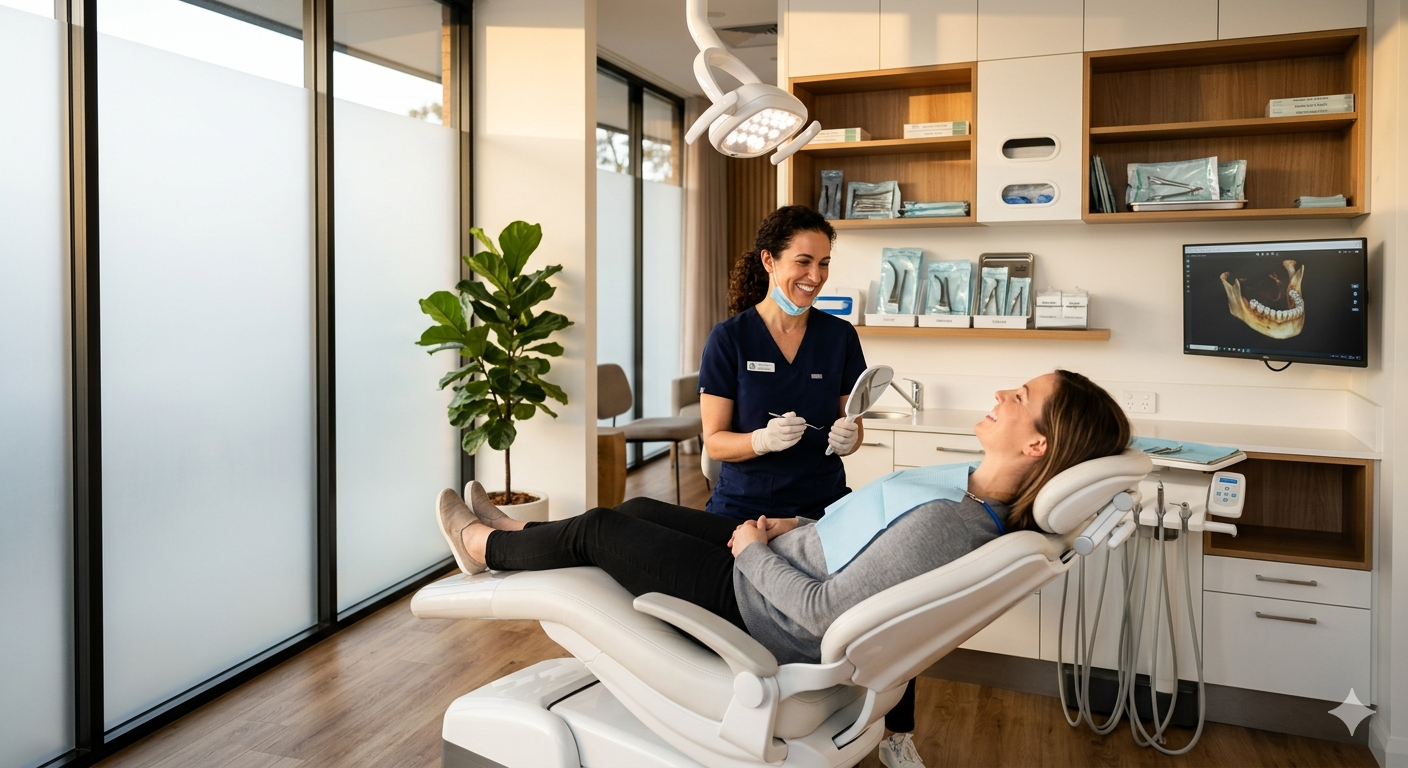
Dental implants in Sacramento, California, offer a reliable and long-lasting solution for people missing one or more teeth. They work by securely anchoring a replacement tooth directly to the jawbone, mimicking the strength and stability of natural teeth. This makes dental implants a popular choice for restoring both the function and appearance of your smile.
Many local dental practices focus on ensuring patient comfort throughout the entire process, using the latest technology to make treatments as painless and efficient as possible. From the initial consultation to aftercare, these experts prioritize personalized care that fits each patient’s unique needs.
If someone is considering dental implants in Sacramento, it’s helpful to know that modern techniques and materials have made the procedure accessible and more predictable than ever. A consultation with a trusted dentist can clear up any concerns and set the stage for a healthier, more confident smile.
What Are Dental Implants?
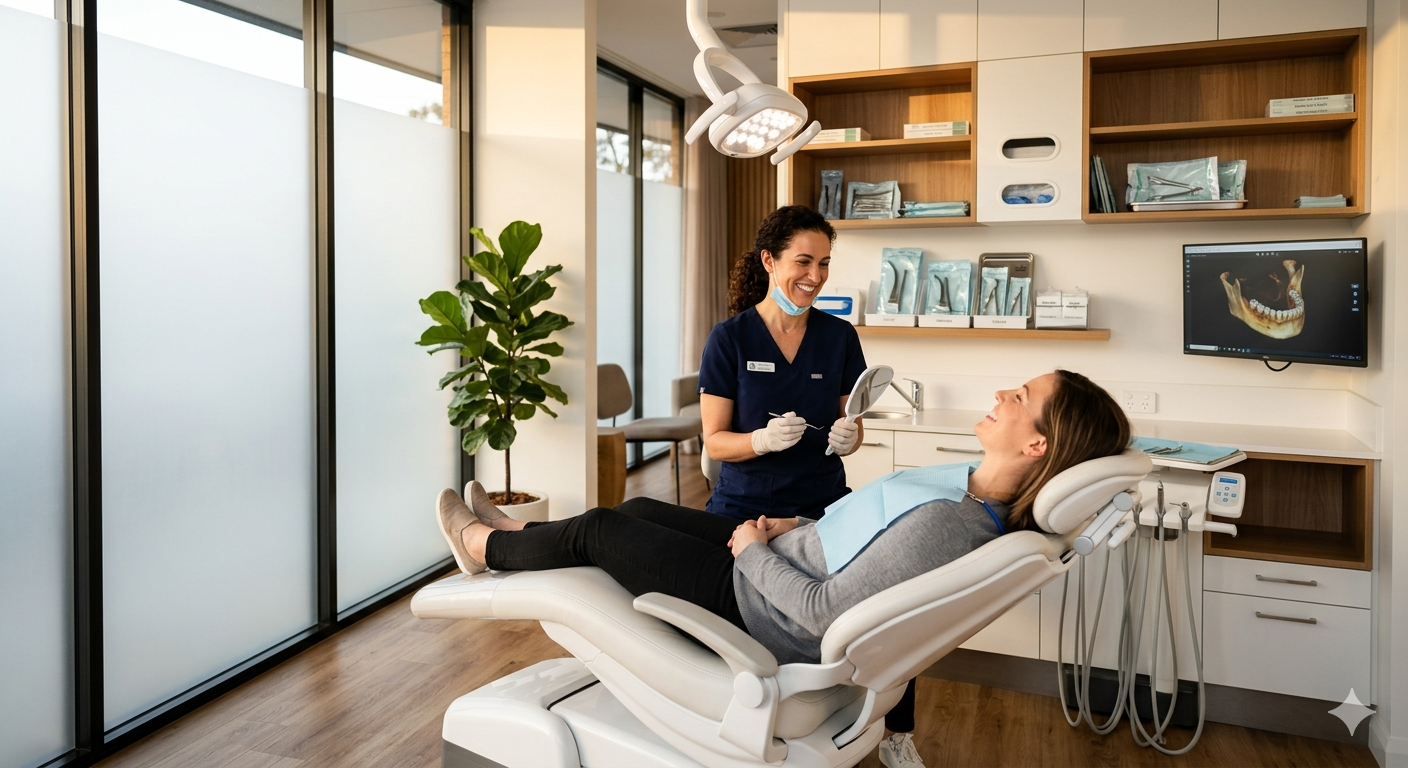
Dental implants are a popular and reliable solution for replacing missing teeth. They consist of small titanium posts surgically placed into the jawbone, where they act like natural tooth roots.
Once the implant fuses with the bone, it provides a strong foundation for a dental crown, bridge, or denture. This fusion process, called osseointegration, helps implants feel and function like real teeth.
Key components of dental implants:
| Part | Purpose |
|---|---|
| Implant post | Anchors the replacement tooth |
| Abutment | Connects implant to the crown |
| Crown or denture | Visible part that looks like a tooth |
Implants offer several advantages over traditional dentures or bridges. They help preserve jawbone health and prevent nearby teeth from shifting. Plus, they typically provide more comfort and stability.
Many patients choose dental implants because they make eating, speaking, and smiling easier. Treatment plans are custom-designed with comfort and individual needs in mind.
If someone is considering dental implants, it’s a good idea to consult with a local Sacramento dental expert. They can evaluate oral health and recommend the best options for restoring a confident smile.
Benefits of Dental Implants in Sacramento California
Dental implants offer a reliable way to replace missing teeth with results that look and function like natural teeth. They provide improvements not only in appearance but also in day-to-day comfort and long-term oral health.
Restoring Your Smile
Dental implants blend seamlessly with natural teeth, restoring a smile’s fullness without the worry of slipping or clicking. Unlike dentures, implants are fixed in place, so patients in Sacramento enjoy confidence when speaking, laughing, or eating.
The implant crown matches the color and shape of surrounding teeth, creating a natural look. This can boost self-esteem for those hesitant about showing their smile due to gaps or missing teeth.
Improving Chewing and Speech
Missing teeth often cause difficulty with chewing and clear speech. Dental implants restore biting strength close to natural teeth, allowing people to eat a wider variety of foods comfortably.
Since implants are stable, they prevent the slipping or movement that can happen with removable dentures, leading to clearer pronunciation and fewer worries about loose teeth during conversation.
Long-Term Oral Health Advantages
Dental implants help conserve jawbone health by stimulating bone growth, which usually diminishes after tooth loss. This prevents the sunken facial appearance that can develop over time.
They also do not require altering adjacent teeth like traditional bridges. This preserves the integrity of surrounding natural teeth, supporting better overall dental health in the Sacramento community.
If you’re considering a lasting solution for missing teeth, dental implants could be the right choice to discuss with your local dentist.
Am I a Candidate for Dental Implants?
Dental implants work best for people with good overall health and enough jawbone to support the implant. Factors like bone density, gum health, and lifestyle habits can influence eligibility. A thorough consultation helps determine if an individual is a good fit and identifies any preparatory treatments needed.
Who Is Usually Eligible
Most adults who have lost one or more teeth and are in good health can consider dental implants. Candidates typically have healthy gums free from severe periodontal disease. Enough jawbone must be present in the implant area to firmly anchor the titanium post.
Chronic conditions like diabetes need to be well-controlled before implant placement. Non-smokers or those willing to quit have better healing outcomes, as smoking impairs bone and gum recovery. Age alone is rarely a barrier; both younger and older adults may benefit.
Factors That May Affect Candidacy
Bone loss in the jaw is a common issue that may require a bone graft before implants can be placed. Poor oral hygiene or untreated gum disease can lead to implant failure if not addressed first. Certain medications or health issues affecting the immune system also influence candidacy.
Lifestyle habits such as excessive alcohol use and smoking slow healing and increase complications. Pregnant women are usually advised to wait until after childbirth. Emotional readiness and commitment to follow post-surgery care also play a role in successful implant outcomes.
Consultation and Evaluation Process
The evaluation starts with a detailed medical and dental history review to understand the patient’s health background. Advanced imaging like 3D cone beam CT scans helps assess bone volume and structure. This precise imaging aids in planning the implant placement.
The dentist examines the mouth for gum disease, bite alignment, and tooth positioning. If concerns arise, treatments such as gum therapy or bone grafts may be recommended before implant surgery. By discussing all options, the patient and dentist can choose the best plan that matches health and lifestyle needs.
The Dental Implant Procedure in Sacramento
Dental implants in Sacramento offer a reliable way to replace missing teeth, restoring both function and appearance. The process involves a series of careful steps, different implant types, and patient-friendly treatment stages designed for comfort and success.
Steps of Implant Placement
The procedure begins with a thorough evaluation, including X-rays or 3D scans to assess bone quality. Next, the dentist places a titanium post into the jawbone under local anesthesia. This post acts as the artificial tooth root.
After placement, a healing period of several months allows the bone to fuse with the implant, a process called osseointegration. Once stable, an abutment is attached to the post, followed by a custom-made crown that matches the patient’s natural teeth.
Each step is carefully planned to minimize discomfort and ensure a strong, lasting foundation for the new tooth.
Types of Dental Implants
Sacramento dentists typically offer three main types of implants: endosteal, subperiosteal, and zygomatic.
Endosteal implants are the most common, placed directly into the jawbone. They suit most patients with adequate bone density.
Subperiosteal implants rest on top of the jawbone but beneath the gum, used for patients with insufficient bone height.
Zygomatic implants anchor in the cheekbone and are reserved for severe bone loss cases.
Choosing the right implant type depends on bone health, location, and individual needs to ensure the best fit and function.
What to Expect During Treatment
During the treatment, patients can expect local anesthesia or sedation for comfort. The surgical site may feel sore or swollen for a few days, so over-the-counter pain relief is usually enough.
Follow-up visits monitor healing, and patients receive guidance on gentle cleaning techniques to protect the implant. Most people return to normal activities quickly, as implant care resembles regular dental hygiene.
Clear communication and personalized care create a smooth experience, helping patients feel confident every step of the way.
Recovery and Aftercare Tips
Proper care after a dental implant procedure is key to ensuring smooth healing and long-term success. Patients should focus on managing discomfort, keeping the mouth clean, and watching for any signs of complications during recovery.
Managing Post-Procedure Discomfort
After dental implant surgery, some pain and swelling are normal. Applying an ice pack to the cheek for 15 minutes at a time during the first 24 hours helps reduce swelling. Over-the-counter pain medication, such as ibuprofen, is usually effective and safe unless otherwise directed by the dentist.
Eating soft foods and avoiding hot drinks or hard, crunchy items protects the implant site. Patients should rest and avoid strenuous activity for at least 48 hours. If discomfort worsens after a few days or is accompanied by fever, they should contact their dental provider promptly.
Oral Hygiene Guidance
Maintaining good oral hygiene is crucial but must be gentle around the implant area. Brushing should continue with a soft-bristled toothbrush, avoiding the surgical site for the first few days. Rinsing with a saltwater solution (½ teaspoon salt in 8 ounces of warm water) several times a day helps keep the area clean.
Avoid using strong mouthwashes containing alcohol until the dentist says it’s safe. Once healing advances, cleaning around the implant with special interdental brushes or floss designed for implants will prevent plaque buildup and infection.
Monitoring Healing Progress
Patients should watch for normal healing signs such as gradual reduction of swelling and discomfort within 7–10 days. The implant site should not have excessive redness, pus, or persistent pain, as these may signal infection or implant failure.
Regular follow-up visits are essential to check how the implant is integrating with the bone. Dentists will assess stability and soft tissue health during these appointments. Any unusual symptoms like loosening of the implant, bleeding, or bad taste should prompt an immediate dental evaluation.
Choosing the Right Sacramento Dental Practice
Finding a dental practice that matches your needs involves looking closely at experience, patient care, and communication. Comfort during procedures and clear answers about treatment plans are key factors to consider when making your choice.
Qualities of a Trustworthy Provider
A trustworthy dental provider in Sacramento typically has credentials like board certification and years of implant experience. They stay current with the latest implant technology and follow strict hygiene protocols. Look for dentists who clearly explain the implant process and possible risks, helping patients make informed decisions.
Reviews and patient testimonials also reveal a lot about a practice’s reliability. A team that listens carefully, takes time during consultations, and personalizes treatment plans often stands out. Transparency about costs and financing options is another marker of professionalism and respect for patients.
Questions to Ask Your Dentist
Before committing, patients should ask specific questions to understand the practice better. Examples include:
- What type of dental implant technology do you use?
- How many implant procedures have you performed?
- What is the expected success rate for your implant treatments?
- Can you walk me through the recovery process and timeline?
Patients should also inquire about payment plans and insurance compatibility. Knowing these details upfront helps set realistic expectations and avoids surprises during treatment.
Patient Comfort and Care Approach
A Sacramento dental practice focused on patient comfort offers options like sedation dentistry or gentle techniques to ease anxiety. Many modern offices use state-of-the-art equipment that minimizes pain and shortens procedure time. Staff attentiveness and a welcoming atmosphere also contribute to reducing stress during visits.
Clear communication before, during, and after the implant procedure reassures patients. Follow-up calls or checkups demonstrate genuine care beyond the chair. Practices that emphasize comfort and care help patients feel safe and supported throughout their dental implant journey.
Cost of Dental Implants in Sacramento California
Dental implant costs can vary based on several key factors, including the materials used and the complexity of the procedure. Understanding these elements helps patients plan their budget realistically and explore available payment options.
Understanding Price Range
In Sacramento, dental implants typically range from $3,000 to $5,000 per implant. This price usually includes the implant post, abutment, and crown. However, additional procedures like bone grafts or sinus lifts can increase costs by $500 to $2,000 or more.
Factors influencing cost include the implant brand, the dentist’s experience, and any advanced imaging required. High-quality implants that last longer might have a higher upfront price but could reduce future expenses. Patients should get a detailed treatment plan to understand what their total cost will cover.
Insurance and Financing Options
Most dental insurance plans do not fully cover implants, though some may contribute toward parts of the procedure like the crown. It’s important to check your plan’s fine print or ask the dental office about coverage specifics.
Many Sacramento dental offices offer flexible financing options, such as monthly payment plans or third-party credit services like CareCredit. These make managing implant expenses easier. Some practices also provide discounts for paying upfront or combining treatments in one visit.
Patients are encouraged to discuss payment plans during their consultation to find a solution that fits their budget.
Common Concerns and Solutions
Many patients think about comfort, anxiety, and the health of their jawbone when considering dental implants. Understanding how these issues are managed can help make the process smoother and more successful.
Managing Dental Anxiety
Dental anxiety is common, especially with invasive procedures like implants. Dentists in Sacramento often use calming techniques such as guided breathing or distractions like music to help patients relax during visits. For more severe anxiety, sedation options like nitrous oxide or oral sedatives are available. These methods allow patients to stay comfortable and calm throughout the implant process without compromising safety.
Clear communication is also key. Dentists take time to explain each step, what sensations to expect, and how long recovery will take. This transparency helps reduce fear of the unknown and builds trust, encouraging patients to move forward confidently.
Minimizing Discomfort
Discomfort during and after implant placement is generally well-controlled with modern anesthesia and post-op care. Local anesthesia numbs the area during surgery, so patients feel little to no pain. After the procedure, dentists recommend over-the-counter pain relievers and cold compresses to ease swelling and soreness.
Patients should avoid hard or chewy foods initially to prevent irritation. Following care instructions closely, like maintaining oral hygiene and attending follow-up appointments, also minimizes complications. Most people report mild discomfort that fades within a few days, allowing them to return quickly to normal activities.
Addressing Bone Loss
Bone loss can affect implant success because the implant needs a strong foundation in the jawbone. Dentists in Sacramento assess bone density using X-rays before treatment. If bone loss is detected, bone grafting might be necessary to rebuild the area. This involves placing bone material where it’s needed to encourage natural regrowth.
Bone grafts often require healing time before implant placement but significantly improve implant stability. Maintaining good oral hygiene and regular check-ups afterward helps preserve bone health long-term. Patients with bone concerns should discuss options early to plan the best approach.
Modern Advances in Dental Implants
Dental implant technology has improved significantly, making treatments more precise, comfortable, and long-lasting. New techniques and tools now help dentists tailor each implant to the patient’s unique needs, improving success rates and recovery times.
State-of-the-Art Materials
Today’s dental implants often use titanium alloys and zirconia, chosen for their strength and biocompatibility. Titanium is durable and integrates well with bone, while zirconia offers a metal-free option that’s both lightweight and resistant to corrosion.
These materials also reduce the risk of allergic reactions and promote faster healing. Advances in surface treatments, such as roughening or coating implants, encourage bone cells to attach more quickly, helping implants stabilize sooner.
Using these materials ensures implants function like natural teeth and maintain jawbone health over time. Patients can expect implants that feel secure and fit comfortably with minimal irritation.
Digital Planning and Imaging
Digital technology has revolutionized how dentists plan and place implants. High-resolution 3D scans provide detailed images of the jawbone, nerves, and sinus areas, allowing precise mapping before surgery.
With this data, dentists can create a custom surgical guide that directs implant placement, reducing risks and shortening procedure times. Digital planning also helps predict possible complications early, making treatment smoother for patients.
This approach often means less invasive surgery and quicker recovery. Patients receive a clearer understanding of their treatment plan, which lowers anxiety and builds trust with their care team.
Taking the Next Step Toward Your Healthier Smile
Choosing dental implants is a positive move for anyone looking to restore their smile and improve oral health. It starts with a simple consultation where the dentist evaluates your dental needs and discusses your goals.
During this visit, patients can expect friendly guidance about the entire process—from assessment to aftercare. Modern dental technology makes treatment comfortable and efficient, helping ease common concerns.
Patients often appreciate learning about the implant timeline, which usually involves a few visits spread over several months. Healing and integration of the implant with the jawbone are essential steps for long-term success.
Here’s what a typical process looks like:
| Step | What to Expect |
|---|---|
| Initial Consultation | Assessment, X-rays, planning |
| Implant Placement | Small surgery, local anesthesia |
| Healing Period | Few months for bone integration |
| Final Restoration | Placement of crown or denture |
Remember, each patient’s journey is unique. Open communication with your dentist ensures that any questions or concerns are addressed promptly.
If you’re considering dental implants, reaching out to a Sacramento specialist is the best way to explore personalized options. Taking this next step supports both your comfort and confidence in your smile.
Frequently Asked Questions
Understanding the costs, financing, and candidacy for dental implants can help patients make informed choices. There are also important differences between implant-supported and traditional dentures, especially regarding comfort and natural feel.
How much does a single-tooth dental implant typically cost in California, and what factors affect the final price?
In California, a single-tooth dental implant usually ranges from $3,000 to $5,000. Factors that influence the cost include the dentist’s experience, the implant materials, any necessary bone grafting, and the location of the dental office.
Additional procedures such as extractions or CT scans can also increase the final price. It’s important to get a clear treatment plan to understand all potential costs upfront.
What financing options are available if I’m looking for a more affordable way to pay for dental implants?
Many dental offices in Sacramento offer financing plans through third-party lenders like CareCredit. These plans often allow patients to pay over several months with low or no interest.
Some clinics also provide in-house payment options or accept major credit cards to help manage the expense more comfortably. Checking with your dental provider about available plans is recommended.
Are there any legitimate programs that help cover the cost of dental implants, and how can I tell what’s real?
Most dental insurance plans do not fully cover implants but may cover parts like the crown. Some nonprofit organizations and state programs offer limited assistance, mainly for low-income patients.
To verify legitimacy, look for programs affiliated with reputable dental associations or government health departments. Avoid any program that requests large upfront fees without clear terms.
Am I a good candidate for an All-on-4 full-arch implant option, and what is the recovery like?
Candidates for All-on-4 implants usually have enough bone to support the four implants or can undergo minor grafting. This option suits patients needing full-arch restoration without multiple individual implants.
Recovery involves some swelling and mild discomfort for a week or two. Most patients adjust quickly and can resume regular activities within a few days with proper care.
What’s the difference between implant-supported dentures and traditional dentures, and which feels more natural?
Implant-supported dentures attach securely to implants, providing better stability, chewing function, and reducing gum irritation. Traditional dentures rest on the gums and can slip or cause soreness.
Most people find implant-supported dentures feel more like natural teeth and improve confidence in speaking and eating. They typically require fewer adjustments over time.
Can someone with an autoimmune disease safely get dental implants, and what extra planning might be needed?
Autoimmune conditions don’t automatically rule out implants, but careful evaluation is essential. Specialists work closely with the patient’s medical providers to manage healing and reduce infection risks.
Extra planning may include adjusted medication schedules, additional monitoring, and longer healing times. Each case is unique, so consultation with a knowledgeable implant dentist is crucial.