
You’ll find clear Invisalign options in Sacramento that suit different budgets, lifestyles, and alignment goals. Many local practices offer personalized Invisalign plans, advanced aligner choices, and transparent cost guidance so you can pick a path that fits your life and smile.
They explain how treatments work, what to expect during visits, and which providers specialize in complex or cosmetic cases, so you won’t face surprises. Explore comparisons of aligner brands, insurance tips, and real Sacramento success stories to feel confident about next steps.
Understanding Invisalign Treatments
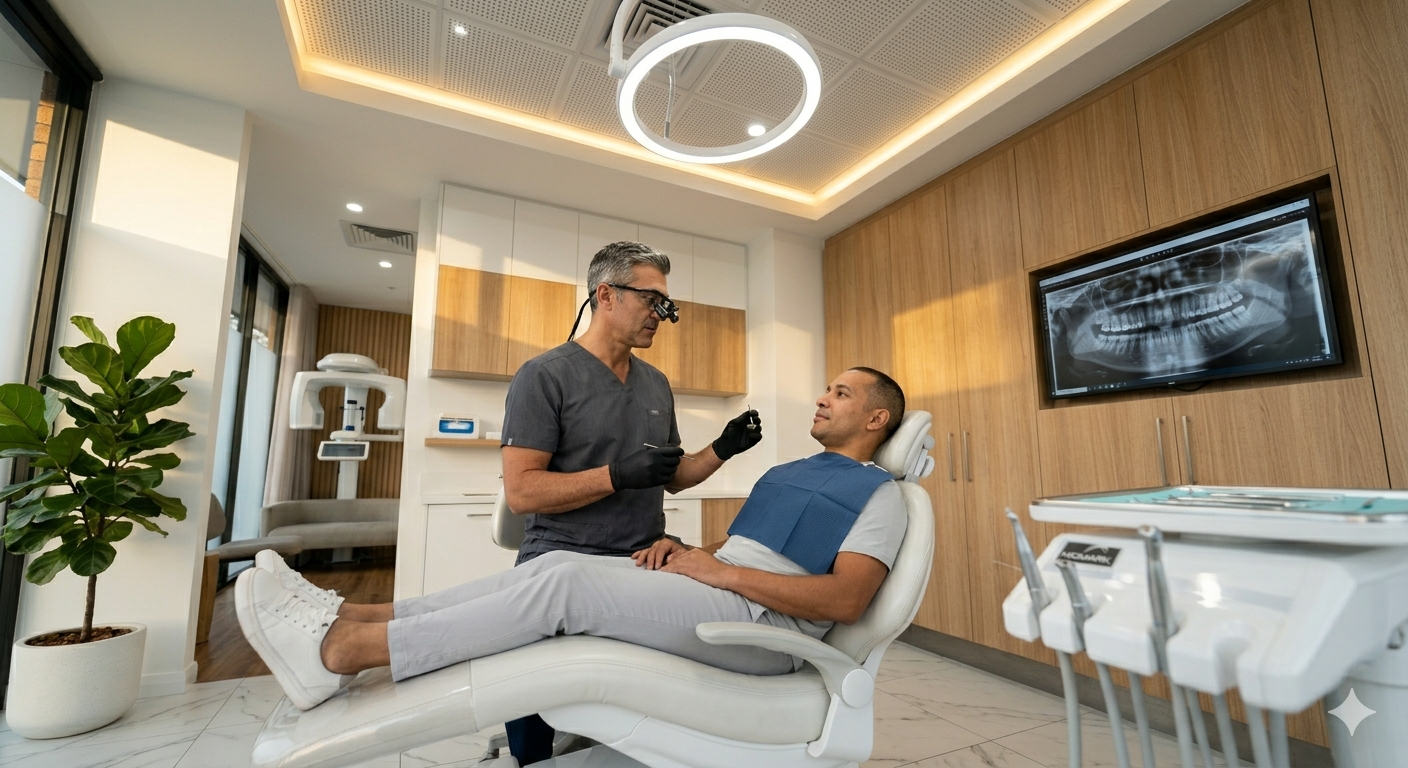
Invisalign uses clear, removable aligners to move teeth in predictable stages. It offers discreet, often faster treatment for many orthodontic issues and usually improves comfort and oral hygiene compared with fixed appliances.
How Invisalign Works
Invisalign treatment starts with a digital scan or impressions to create a 3D model of the patient’s mouth. That model lets the dentist or orthodontist design a series of custom, graduated aligners that apply specific forces to teeth.
Each aligner pair is typically worn for 1–2 weeks and removed only for eating, brushing, and flossing. Aligners are made from a smooth, BPA-free thermoplastic that reduces soft-tissue irritation compared with metal brackets.
Progress is monitored with periodic checkups every 6–10 weeks so the clinician can confirm tooth movement and adjust the plan if needed. Many providers incorporate attachments — small tooth-colored bumps bonded to teeth — to help with rotations or intrusions that require extra grip.
Types of Conditions Treated
Invisalign treats a wide range of common orthodontic problems. It corrects mild to moderate crowding, spacing, and gaps by creating room and guiding teeth into alignment.
It also addresses bite issues such as mild to moderate overbite, underbite, and crossbite by repositioning individual teeth and coordinating upper and lower arches. Invisalign manages open bites in many cases, especially when combined with elastics or attachments.
More complex skeletal problems usually still require braces or surgical intervention. However, recent advances and adjunctive tools have expanded Invisalign’s reach, allowing many adults and teens to choose clear aligners instead of visible metal braces.
Differences From Traditional Braces
Invisalign uses removable, clear trays, while traditional braces use bonded brackets and archwires fixed to the teeth. Removability makes eating and oral hygiene easier because patients can brush and floss normally without working around wires.
Aesthetics differ markedly; Invisalign is nearly invisible in everyday situations, which appeals to adults and professionals. Treatment planning for Invisalign relies heavily on digital treatment simulations (clincheck), giving a visual roadmap of expected tooth movement, whereas braces depend more on in-office wire adjustments.
Braces can be better for very complex tooth movements or severe rotations. Braces also don’t rely on patient compliance to be worn 20–22 hours daily, a key factor determining Invisalign’s success.
Personalized Invisalign Plans in Sacramento
Patients get a clear sense of timing, costs, and expected outcomes up front. Clinics tailor treatment to bite issues, lifestyle needs, and budget, using digital tools and clinical exams to create a step-by-step plan.
Initial Consultation Process
The initial consultation typically lasts 30–60 minutes and starts with a focused medical and dental history review. The clinician evaluates past orthodontic work, TMJ symptoms, and periodontal health to ensure aligners are safe and effective.
Next comes a clinical exam: bite analysis, tooth mobility checks, and photos from multiple angles. The provider discusses goals—closing gaps, reducing crowding, or improving overbite—and shows before-and-after cases with similar starting conditions.
Financial options and timelines are addressed directly. Patients receive an estimated number of aligners, a projected treatment length, and a breakdown of fees or insurance and financing choices. Clear next steps are scheduled, such as digital scans or preparatory hygiene visits.
Digital Scanning and Impressions
Most Sacramento practices use intraoral scanners to capture a precise 3D model in under 10 minutes. The scanner records tooth positions, occlusion, and soft-tissue relations without messy putty impressions, improving comfort and accuracy.
Clinicians review the digital model with the patient on-screen, marking tooth movements and attachment placements. They create a ClinCheck or treatment simulation that shows staged tooth movements and the estimated number of aligners.
Laboratory workflows and delivery timelines vary by provider but typically take 1–3 weeks from scan to first set of aligners. The clinic explains wear schedules, expected discomfort at each stage, and follow-up intervals for monitoring progress.
Advanced Treatment Options Available
Patients can expect tailored Invisalign pathways in Sacramento that match treatment length, lifestyle, and complexity. Options range from short-term plans for minor shifts to comprehensive care for multi-plane corrections, with special protocols for teenagers.
Invisalign Express for Mild Cases
Invisalign Express suits adults with minor spacing or crowding issues, typically requiring 5–10 aligners and about 3–6 months of wear. Dentists in Sacramento often recommend it for single-arch adjustments or when correcting a relapse from prior orthodontics.
The protocol usually begins with a digital scan and a clear treatment plan showing staged tooth movement. Patients wear aligners 20–22 hours daily, switching trays every 7–14 days; compliance is critical to hit projected timelines.
Costs are lower than full Invisalign plans and follow-up visits are less frequent, making it a practical choice for budget-conscious patients seeking quick cosmetic improvement. Providers will still evaluate bite relationships to confirm Express is appropriate rather than a stopgap that creates future complications.
Invisalign Teen Solutions
Invisalign Teen adds compliance features and eruption accommodations specifically for adolescents. Aligners include compliance indicators (fading blue dots) and built-in space for incoming molars, which helps when growth and tooth eruption continue through treatment.
Clinicians customize schedules around sports and school, stressing 20–22 hours of wear most days while allowing for removal during meals and activities. Routine checkups track growth and tooth movement; the practice may combine aligners with temporary anchorage devices for tougher movements.
Parents appreciate fewer emergency visits compared with brackets, and teens like the near-invisibility of trays. Sacramento practices also offer payment plans and coordination with pediatric dental records to ensure growth-phase needs and long-term stability.
Treatment for Complex Alignment Issues
Complex cases—severe crowding, open bites, crossbites, or significant jaw discrepancies—require full Invisalign Full protocols and often adjunctive techniques. Providers use virtual treatment planning, attachments, interproximal reduction (IPR), and elastics to manage multi-plane corrections.
Orthodontists and experienced dentists in Sacramento evaluate root positions and periodontal health before starting. They may recommend combining Invisalign with temporary anchorage devices, micro-osteoperforation, or even orthognathic surgery in coordinated care for skeletal discrepancies.
Treatment typically spans 12–24 months but varies with case severity and patient compliance. Clear communication about expected timelines, additional procedures, and maintenance strategies helps patients make informed decisions and reduces surprises during the course of care.
Comparing Aligner Choices
Patients weigh material, comfort, visibility, treatment control, and lifestyle fit when choosing aligners. Cost, expected wear time, and whether attachments or refinements are likely also influence the best option.
Material Innovations
Clear aligners use different plastics that affect clarity, stiffness, and stain resistance. Traditional PET-G blends offer good clarity but can discolor over time; newer polyurethane-based materials resist staining and maintain transparency longer.
Some brands use multi-layer materials that combine a rigid inner layer for force delivery with a soft outer layer for comfort. This can reduce soreness during the first days after a tray change while preserving effective tooth movement.
Advanced thermoplastic formulations improve fit by better matching tooth anatomy, which can reduce the need for frequent refinements. Patients with bruxism should discuss material rigidity with their clinician, since stiffer trays may provide more control but feel firmer against the teeth.
Removable vs. Fixed Options
Removable aligners let patients eat and brush normally, which reduces decay risk during treatment. They require strict compliance—typically 20–22 hours of wear per day—to achieve predicted results; inconsistent wear prolongs treatment and can lead to relapse.
Fixed clear braces or bonded trays offer continuous force and don’t rely on patient discipline, making them preferable for patients who struggle with removable devices. However, fixed options can complicate oral hygiene and may require more frequent professional cleanings.
Clinicians choose between removable and fixed based on case complexity, patient lifestyle, and oral hygiene habits. For moderate crowding and spacing, removable aligners often suffice; for severe rotations or vertical changes, fixed mechanics or hybrid approaches may produce more predictable outcomes.
Cost Considerations and Insurance
Patients can expect varying fees based on case complexity, practitioner experience, and treatment length. Knowing typical costs, available payment plans, and how insurance applies helps families plan and avoid surprises.
Average Treatment Costs
In Sacramento, Invisalign treatment typically ranges from about $3,000 to $7,000. Mild alignment cases treated with Invisalign Express often fall near the $3,000–$4,000 range, while comprehensive adult cases requiring more aligners and refinements commonly reach $5,000–$7,000.
Practices led by board-certified orthodontists or those offering advanced digital scanning and 3D treatment planning may charge toward the higher end. Initial consults and digital scans are sometimes included; additional fees can apply for attachments, refinements, or retainers. Ask the office for a written estimate that breaks down all components: consult, scans, aligners, monitoring visits, refinements, and retainers.
Flexible Payment Plans
Many Sacramento providers offer in-house financing and third-party options to spread costs over 6–36 months. Typical in-house plans require a down payment of $500–$1,000, followed by monthly payments; interest-free plans exist but often have shorter terms.
Third-party lenders like CareCredit and LendingClub provide promotional 0% APR periods that can be useful for larger balances. Clinics commonly accept major credit cards and may offer family discounts when multiple members undergo treatment. Patients should request the total financed amount, monthly payment, interest rate, and any late fees in writing before signing.
Insurance Coverage Essentials
Dental insurance sometimes covers orthodontic treatment for dependents but rarely covers adult cosmetic orthodontics fully. Many plans offer a lifetime maximum for orthodontics (commonly $1,000–$3,000), which can be applied toward Invisalign but often does not cover the full cost.
Patients should verify their specific plan details: orthodontic lifetime maximum, age restrictions, waiting periods, and whether the insurer requires pre-authorization. Offices in Sacramento frequently handle insurance claims on behalf of patients; bring your insurance card and ask the coordinator to estimate patient responsibility after insurer benefits. If insurance falls short, combine employer flexible spending accounts (FSA) or health savings accounts (HSA) with payment plans to reduce out-of-pocket costs.
What to Expect During Treatment
Patients typically wear clear aligners most of the day, clean them regularly, and visit the orthodontist or Invisalign provider for scheduled check-ins and refinements. They can expect mild soreness after tray changes, gradual tooth movement, and measurable progress documented during appointments.
Wearing and Caring for Aligners
Patients should plan to wear aligners 20–22 hours daily, removing them only to eat, drink anything other than water, and to brush and floss. Skipping hours delays treatment by days or weeks; consistency matters more than intensity.
Clean aligners twice daily with a soft brush and lukewarm water. Avoid hot water, toothpaste with abrasives, or colored mouthwash that can warp or stain trays. Store aligners in their case when not worn to prevent loss or damage.
Replace aligners on schedule—usually every 1–2 weeks—per the provider’s plan. Keep a small travel kit (case, brush, mirror) for meals away from home. If an aligner cracks or is lost, call the office promptly; a temporary switch to the previous or next tray may be advised.
Managing Discomfort and Adjustments
Mild pressure and soreness are normal for 48–72 hours after each tray change as teeth shift into new positions. Over-the-counter pain relievers like ibuprofen or acetaminophen typically relieve discomfort; patients should follow dosing instructions and consult their provider if pain is severe or prolonged.
Tightness around attachments or small bumps can irritate lips and cheeks. Orthodontic wax applied to the attachment reduces rubbing. For sharp edges from a broken tray, rinse with cold water and contact the clinic for guidance to avoid further irritation.
If speech changes occur, they usually resolve within a few days as the patient adapts. Persistent issues, bite changes that feel wrong, or prolonged pain warrant an earlier appointment so the provider can adjust the plan or make refinements.
Monitoring Your Progress
Providers schedule progress visits every 6–10 weeks, depending on the case complexity and the practice’s protocol. During these visits, clinicians check tooth movement, fit of current aligners, and attachment condition, and they issue the next series of trays if everything aligns with the treatment plan.
Some practices use intraoral scans or photos to document changes; others compare digital models from the initial plan to current results. Patients should bring all current aligners and note any problems or missed wear hours so the provider can adjust timelines.
Compliance tracking may include patient-reported wear time or, in some cases, remote monitoring tools. If movement falls behind the expected pace, the provider can revise the schedule, order refinements, or recommend auxiliaries like elastics to keep treatment on track.
If the patient has questions or wants reassurance at any point, contacting the office is encouraged. A quick call or message can prevent small issues from becoming delays and helps maintain a smooth path to the final results.
Choosing the Right Sacramento Provider
Selecting a provider affects treatment accuracy, comfort, and total time in aligners. Patients should weigh clinical skill, communication style, and practical conveniences like office location and appointment flexibility.
Expertise and Experience
Look for a provider with specific Invisalign training and measurable case experience. Ask how many Invisalign cases they complete yearly and request before-and-after photos of similar bite issues. Specialists such as orthodontists typically manage complex tooth movements, while general dentists may handle mild-to-moderate alignment with good results.
Verify use of digital diagnostics: intraoral scanners, 3D treatment planning software, and CBCT when needed. These tools increase precision and help patients visualize staged tooth movements. Confirm the provider follows up with mid-treatment scans or check-ins to ensure the plan stays on track and to adjust attachments or staging if teeth don’t move as predicted.
Check credentials and memberships — Invisalign Preferred or Diamond status, board certification for orthodontists, and continuing education in clear aligner therapy. Patient reviews and referrals from local dental professionals can reveal consistency in outcomes and case management.
Patient Comfort and Communication
Comfort begins before the first impression; the front-desk staff and clinical team set the tone for the entire journey. Providers who explain the treatment plan in plain language, show the staged tooth movements, and outline expected discomfort timelines help patients feel prepared. Look for clinics that provide written estimates of total treatment time, number of aligners, and any auxiliaries like elastics or IPR (interproximal reduction).
Transparent communication about costs and payment options reduces surprise bills. Ask about insurance filing, third-party financing, and bundled pricing versus per-visit charges. Also confirm how the office handles emergencies or lost aligners—same-week replacements and remote monitoring apps can minimize interruptions.
Comfort during visits matters: clinics that use soft-tissue-friendly retractors, topical anesthetic for attachments, and shorter appointment windows improve patient experience. Evaluate how responsive the team is to messages and whether they offer evening or weekend hours for follow-ups.
Location and Office Amenities
Choose a location that fits daily life to maintain appointment adherence. Proximity to work, school, or transit options reduces scheduling friction. Check typical appointment duration and frequency to estimate cumulative travel time over the course of treatment.
Office amenities can influence comfort: private operatories, digital entertainment during longer procedures, and clear parking instructions ease visit stress. Sanitation practices, up-to-date equipment, and visible infection-control protocols matter for patient safety and peace of mind.
Ask whether the clinic supports telehealth check-ins or remote monitoring through apps and photos. Remote options cut down on in-person visits and work well for routine aligner progress checks, but verify that critical milestones still include hands-on exams.
Success Stories From Sacramento Smiles
Patients describe clear, steady progress with Invisalign at Sacramento Smiles. One young professional reported discreet aligners fit easily into a busy schedule, and monthly check-ins kept treatment on track.
A parent praised the practice for explaining options clearly and making children comfortable. The dentist used simple models and friendly language so families understood expected timelines and care routines.
An older patient appreciated customized retention plans to maintain results. They said the team emphasized preventive care and follow-up, reducing worries about relapse.
Before-and-after photos show typical improvements: corrected crowding, closed gaps, and improved bite alignment. These examples reflect realistic timelines—often 9–18 months depending on case complexity.
Patient feedback highlights care aspects most people value: clear communication, comfortable fittings, and flexible payment options. Sacramento Smiles often pairs Invisalign with whitening or small refinements for balanced, natural-looking outcomes.
Bold: Patient comfort; Italic: realistic timelines; List:
- Clear communication about expectations
- Regular monitoring and adjustments
- Emphasis on preventive maintenance
Readers curious about whether Invisalign fits their lifestyle are encouraged to schedule a consultation. A brief exam and discussion will clarify options, expected duration, and costs.
Next Steps Toward a Straighter Smile
Patients ready to explore Invisalign in Sacramento can schedule a consultation with a local certified provider to evaluate their smile and goals. The visit usually includes a brief exam, digital impressions, and a review of treatment options and timeline.
Providers create a personalized plan using 3D imaging so patients can see projected results before starting. That visual plan helps set expectations and decide on any additional treatments like attachments or interproximal reduction.
Insurance and financing options often cover part of clear aligner care; offices typically provide cost breakdowns and monthly payment plans. Patients should bring insurance information and ask about in-office special offers to compare out-of-pocket costs.
Once the plan is approved, aligners are fabricated and delivered within a few weeks. Patients wear aligners most of the day, switch sets per the provider’s schedule, and attend periodic check-ups to monitor progress.
Good at-home care supports faster, more predictable results: clean aligners daily, avoid sugary drinks while wearing them, and use retainers as directed after treatment. If any discomfort or fit issues occur, contact the provider promptly for adjustments.
To move forward, patients can call or book online with a Sacramento Invisalign provider, bring questions about timing and costs, and request to view before-and-after cases. Gentle encouragement from the dental team helps patients feel confident taking the next step.
Frequently Asked Questions
This section answers practical concerns about clear aligner treatment in Sacramento, including suitability, brand differences, expected timelines, costs, possible effects on jaw pain, and what happens at the first visit. Each answer gives concrete details patients commonly ask when considering Invisalign or alternate aligner systems.
How do I know if clear aligners are a good fit for my smile goals?
A dentist or orthodontist evaluates bite alignment, tooth crowding, spacing, and eruption patterns with digital scans and X-rays.
Mild to moderate crowding, gaps, and many bite issues respond well to clear aligners; complex skeletal problems may need braces or surgery.
What’s the difference between Invisalign and other clear aligner brands my dentist might offer?
Invisalign uses proprietary SmartTrack material and ClinCheck 3D treatment planning from Align Technology.
Other brands may use different plastics, local labs, or faster manufacturing; some cost less but offer fewer mid-treatment adjustments or less precise tooth movement.
About how long does treatment usually take, and what factors can speed it up or slow it down?
Typical treatment ranges from 6 to 18 months depending on case complexity.
Patient compliance (wearing aligners 20–22 hours daily), age, severity of movement required, and use of adjuncts like elastics or attachments influence speed.
What does the total cost typically include, and are payment plans or insurance options available?
Total cost commonly covers consultation, digital scans, aligner sets, refinements, and follow-up visits.
Many Sacramento practices offer monthly financing, in-office payment plans, and accept dental insurance that covers orthodontic benefits; confirm coverage limits and preauthorization details.
Can clear aligners help with jaw discomfort or TMJ-related symptoms in some cases?
Aligners can reduce muscle strain or bite-related stress if poor tooth position contributes to discomfort.
They do not reliably treat structural TMJ disorders; evaluation by a dentist familiar with TMJ, plus imaging when needed, determines whether aligners may help or if other therapies are required.
What should I expect at my first consultation, and what are the next steps to get started?
The first visit includes a medical/dental history review, clinical exam, digital intraoral scans, and X-rays as indicated.
After diagnosis, the clinician presents treatment options, a projected timeline and cost estimate, and signs consent; scheduling of scans and aligner fabrication follows once the plan is approved.